The story of Wallington and Beddington
Our streets stand on nearly a thousand years of history. William the Conqueror, the Carews, lavender growers and the railway all left their mark on this corner of Sutton.
About 3 minutes to read
In the Domesday Book
1086
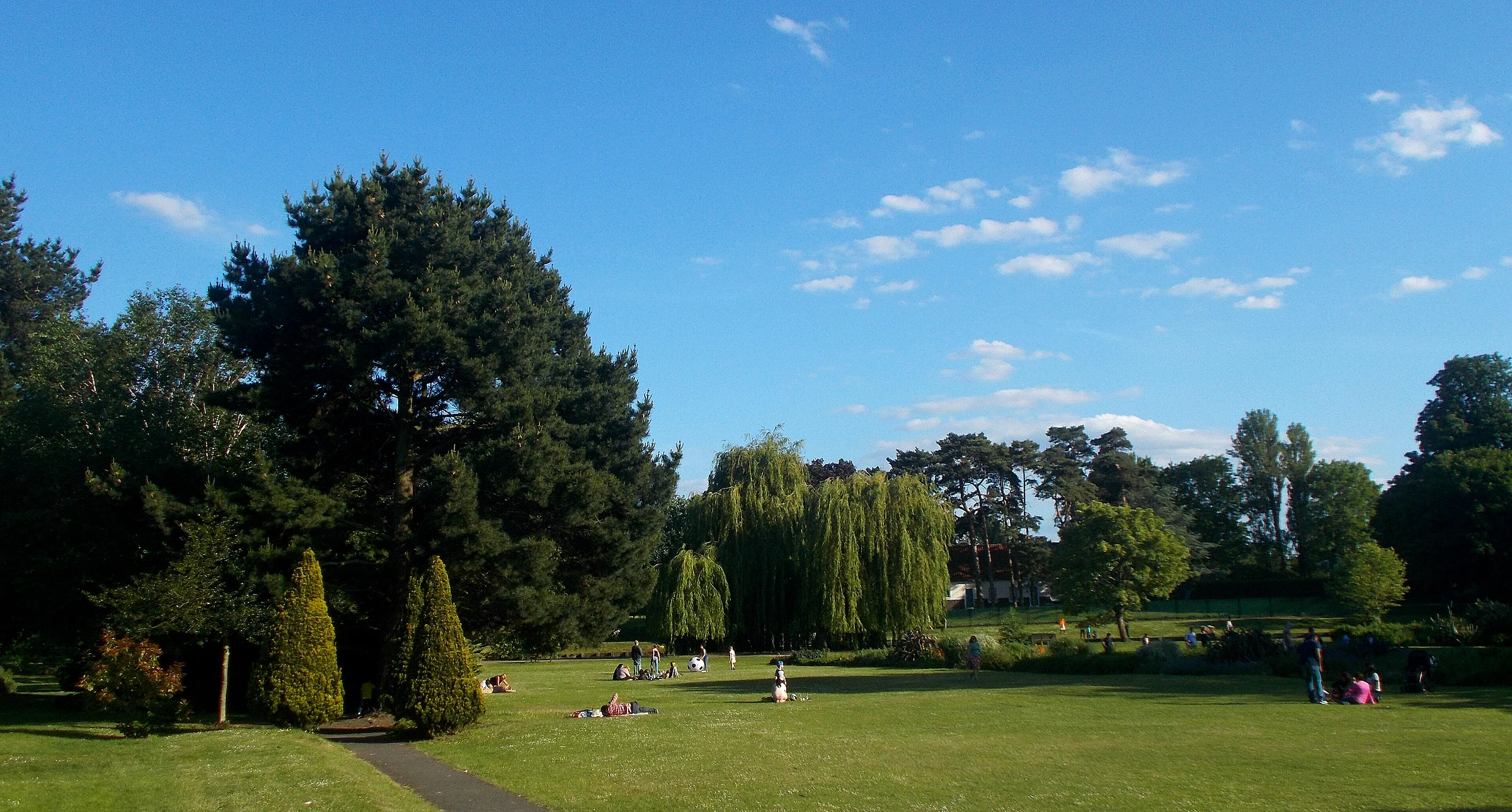
Both Beddington and Wallington appear in the Domesday Book. Beddington, written "Beddintone", already had a church and four mills. Wallington had two mills of its own, and it was held by William the Conqueror himself.
The name Wallington comes from the Anglo-Saxon "Waletone". It is usually taken to mean the village of the Britons.
Wallington was held by William the Conqueror himself.
The Carews of Beddington
The 1300s to the 1850s
In the late 1300s Nicholas Carew brought two Beddington estates together. His family stayed at Beddington for around five hundred years.
In the 1500s Sir Francis Carew laid out gardens that were famous for generations. He grew orange trees, and the orangery built around them is said to have been the first in England.
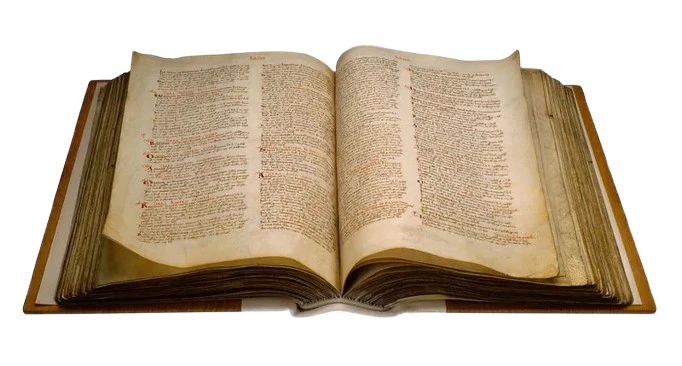
Debts cost the family the house in the 1850s. From 1866 to 1968 it was the Royal Female Orphanage. Today it is Carew Manor School, and its medieval great hall, with a hammerbeam roof, still survives.
Five hundred years of the Carews, and said to be the first orangery in England.
Fields of lavender
Until about 1914
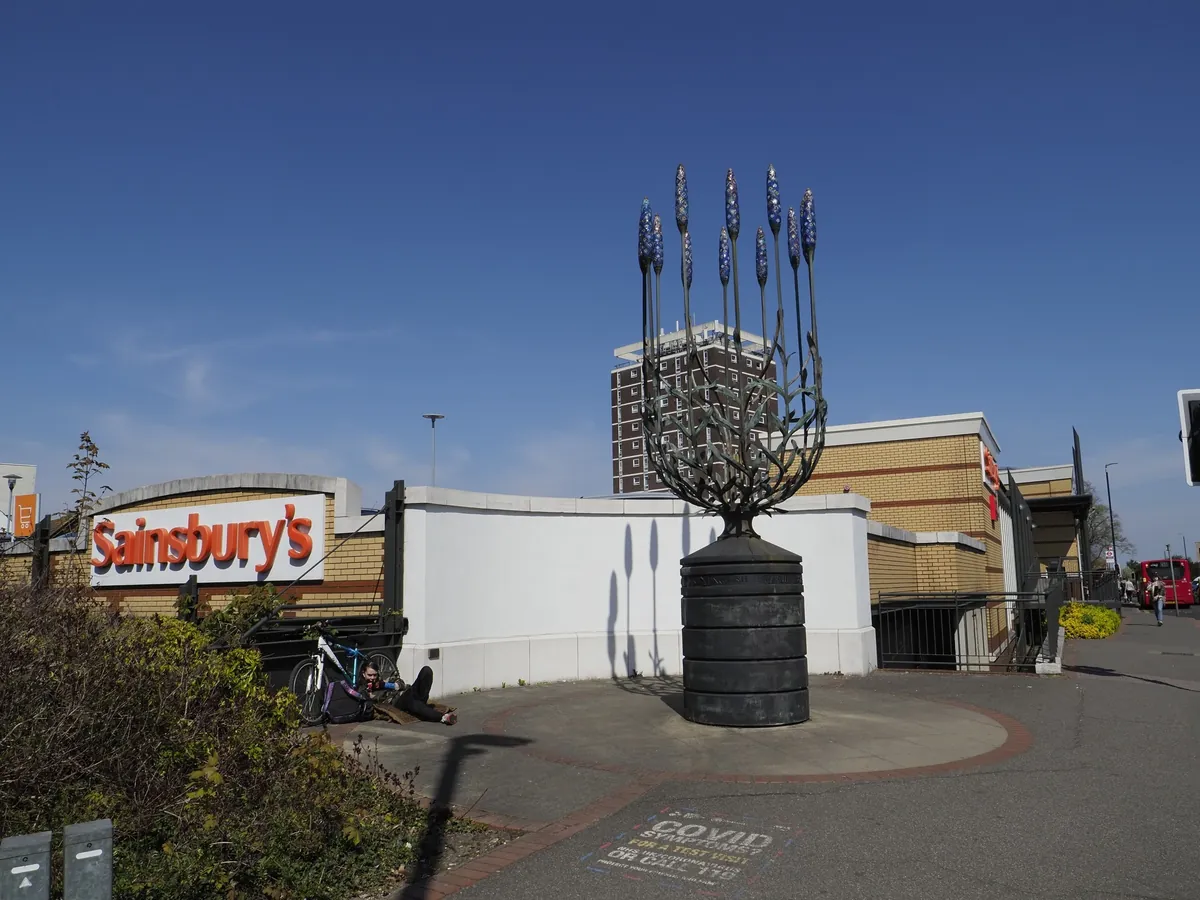
For a long time Wallington was known for lavender. It was an important place for making lavender oil until around the First World War.
That is the story behind the tall lavender sculpture in the centre of Wallington. The sculptor Guy Portelli made it in 1999.
Wallington made lavender oil until around the First World War.
The railway arrives
1847 to 1914
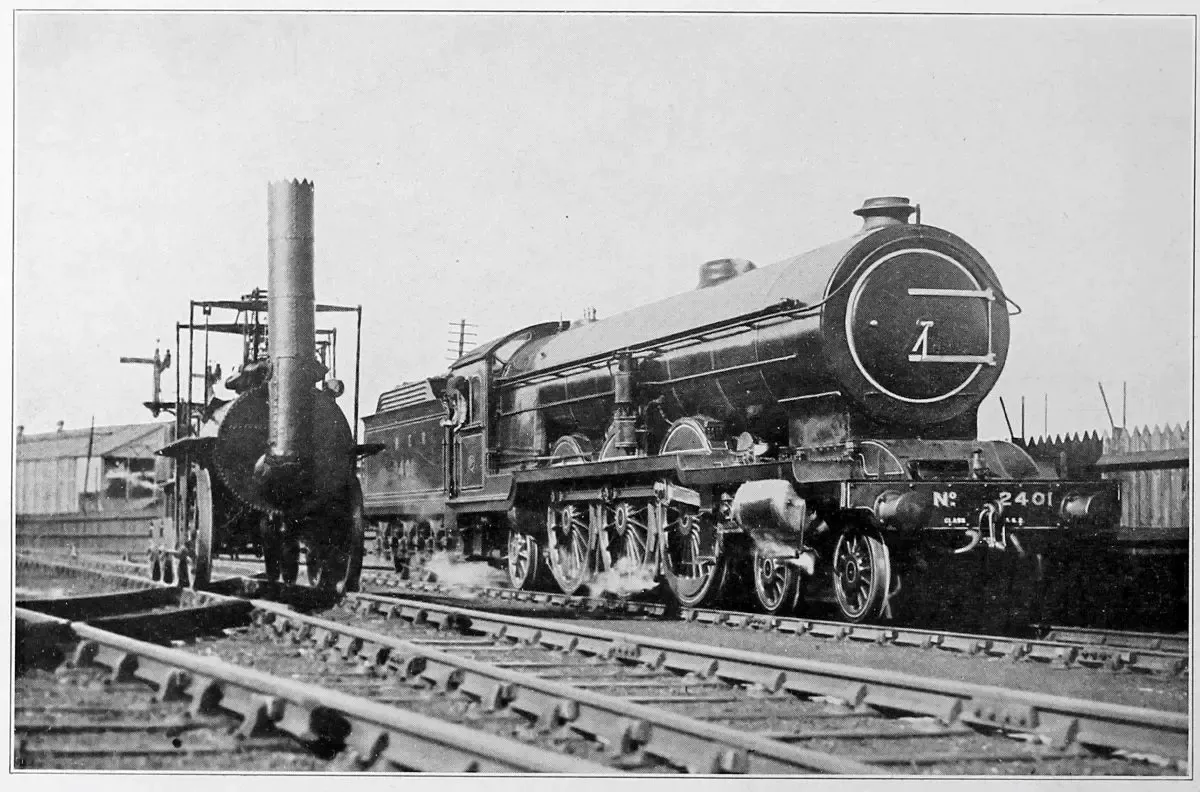
The station opened on 10 May 1847, out in open fields. At first it was called Carshalton. It was renamed Wallington in 1868, when a new Carshalton station opened in Carshalton village.
Houses soon followed. Villas went up in the 1860s. Holy Trinity Church opened in 1867, and Wallington became a parish of its own the same year. Parts of the Beddington estate were sold for housing from the 1860s.
The station opened out in open fields on 10 May 1847.
A borough of its own
1915 to 1965
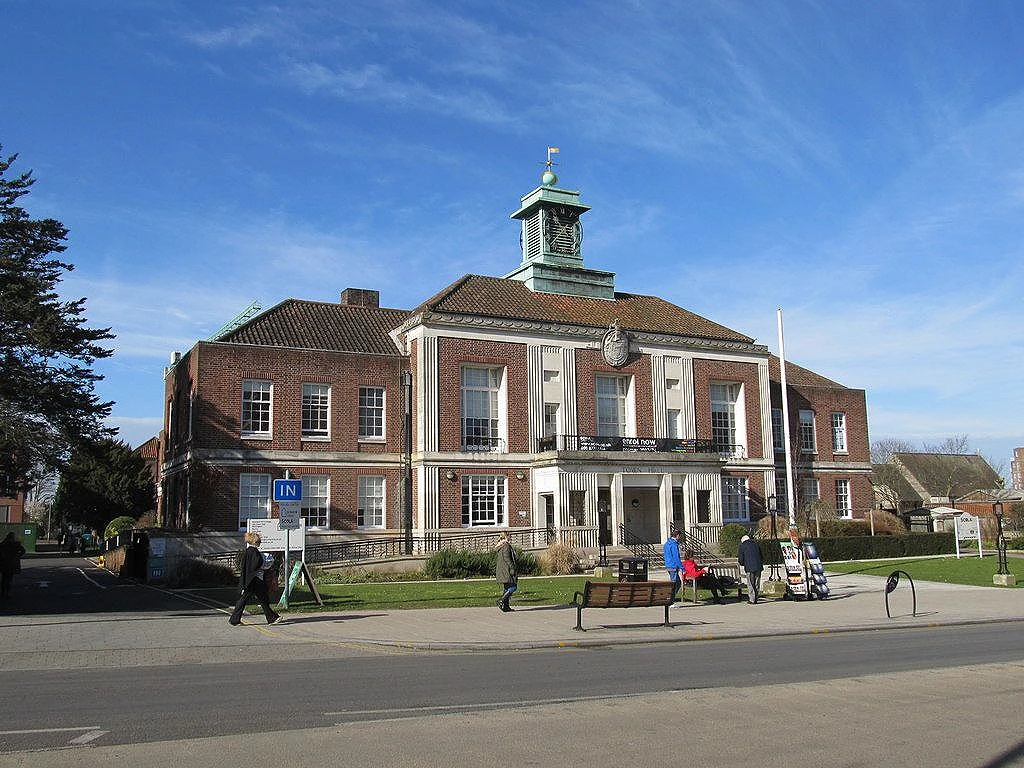
Beddington and Wallington were joined as one urban district in 1915. The town hall on Woodcote Road, designed by Robert Atkinson, opened in September 1934.
In 1937 the area became the Borough of Beddington and Wallington. The borough's coat of arms showed an aeroplane flying over a rising sun, because Croydon Airport lay partly in Beddington.
On 1 April 1965 the borough became part of the new London Borough of Sutton, and the area moved from Surrey into Greater London.
An aeroplane over a rising sun, because Croydon Airport lay partly in Beddington.
Beddington Park today
Today
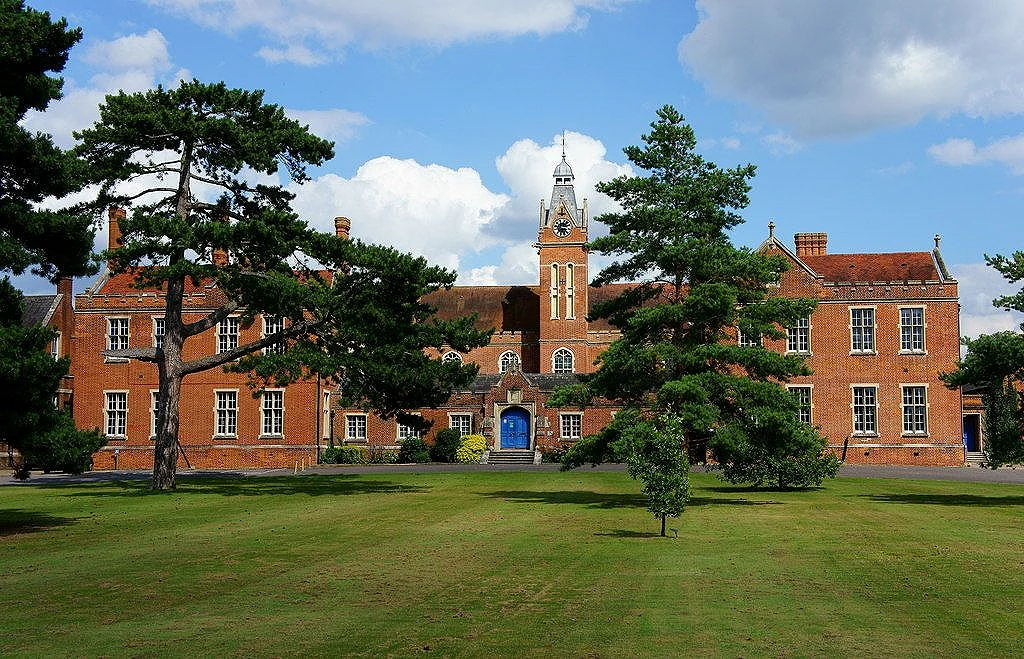
The council bought the land for Beddington Park bit by bit between 1904 and 1927. The Grange and its gardens were added in 1935, and the River Wandle still runs through the park.
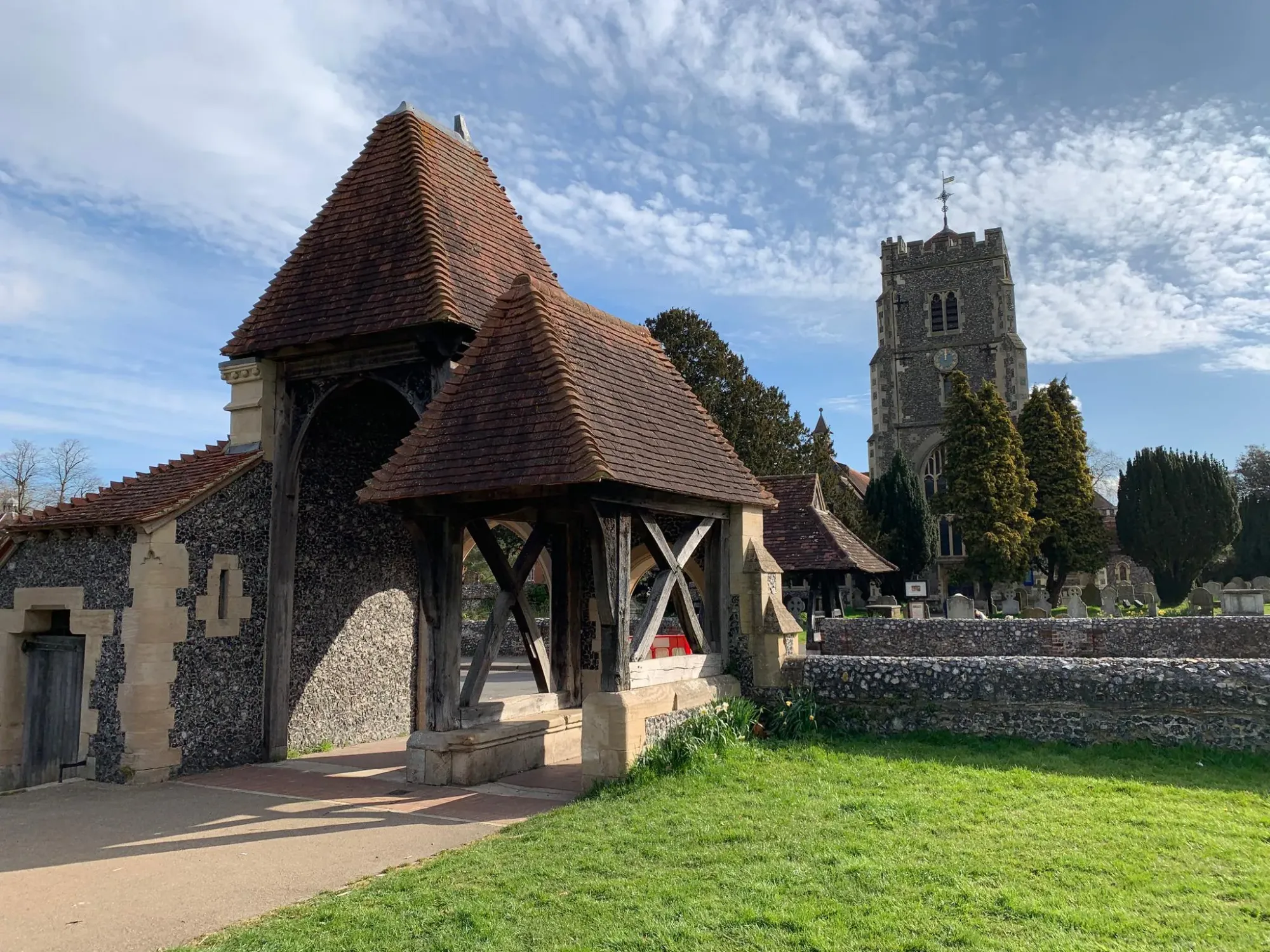
Next to Carew Manor stands St Mary's, a 14th-century church with an organ screen made by William Morris's firm around 1869. Look in on your next walk round the park.
A 14th-century church with an organ screen from William Morris's firm.
Be part of the story
Our two streets
The story of Evelyn Way and Lytton Gardens is still being written. We don't yet know when the houses were built or how the roads got their names.
Do you have old photos, deeds or memories of how things used to be? Share them on the neighbour board, or have a word with one of the admins, and we'll add them here.
Share on the neighbour board